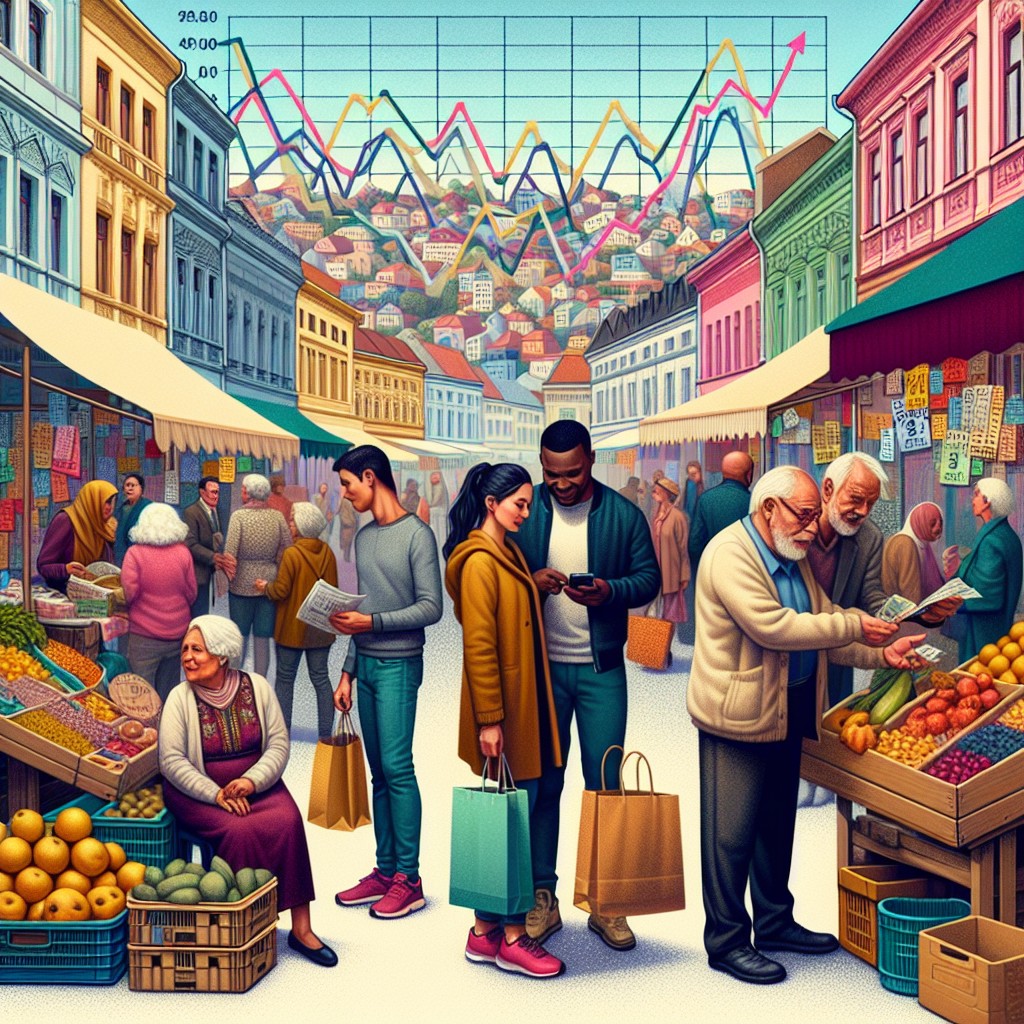
Romania has experienced significant fluctuations in its economic landscape over recent years, with the cost of living Romania issue becoming a central concern for households across the country. Even as inflation rates show signs of cooling, many experts argue that the broader challenges associated with the cost of living in Romania are far from resolved.
Current Inflation Trends and Their Impact
Recent data from Romania’s National Institute of Statistics indicate a moderation in inflation compared to peak levels witnessed in 2022. While the Consumer Price Index (CPI) growth rate has tapered, this gradual decline has not yet translated into substantial relief for many Romanian families. Persistent increases in energy prices, food items, and housing costs continue to place pressure on household budgets. The lingering effects of inflation during the previous years mean that many prices remain at elevated levels, contributing to sustained financial strain.
Energy Costs Remain a Key Factor
Energy prices in Romania have been particularly volatile over the last two years, affected by both international supply chain disruptions and geopolitical tensions. Although government interventions and subsidies have helped mitigate some of these challenges, the overall burden on consumers remains significant. Fluctuating natural gas and electricity prices disproportionately impact lower and middle-income households, complicating efforts to stabilize the cost of living Romania.
The Housing Market and Affordability Challenges
Housing costs represent a substantial share of expenses for Romanian citizens. Recent trends show a steady increase in rental prices and real estate values, especially in urban centers such as Bucharest, Cluj-Napoca, and Timisoara. This upward trajectory is driven by growing demand and limited supply in key areas, exacerbating affordability issues for young families and low-income individuals. As a result, many residents devote an increasing portion of their income to housing, further intensifying the cost of living pressures despite easing inflation rates.
Food Prices and Consumer Goods
Food inflation has remained relatively stubborn in Romania, with staple items like bread, dairy products, and vegetables experiencing sustained price increases. Supply chain disruptions, higher production costs, and climate-related impacts on agriculture contribute to these ongoing challenges. Even as inflation cools overall, the relative expense of essential goods continues to weigh heavily on consumer spending, especially for households with limited financial flexibility.
Wages and Household Income Dynamics
On the income side, wages in Romania have seen nominal increases, but these gains often lag behind the rising costs of living. Real wage growth remains modest when adjusted for inflation and purchasing power, reducing the net benefit for many workers. Additionally, disparities in income distribution mean that vulnerable groups may not experience meaningful improvements in their economic situation. This imbalance between income and expenses is a core factor explaining why the cost of living Romania remains a challenge, even as headline inflation figures show signs of improvement.
Conclusion: A Complex Picture Ahead
Despite cooling inflation rates, the cost of living Romania continues to pose significant challenges for a wide segment of the population. Structural issues such as energy dependence, housing shortages, and stagnant real wages contribute to an ongoing economic environment where many households feel financial pressure. Analysts caution that mitigating these difficulties will require coordinated policy responses focusing on sustainable growth, social protection, and market stability. Without such measures, the narrative around Romania’s cost of living is unlikely to conclude in the near term.
Frequently Asked Questions about cost of living Romania
What factors are driving the cost of living Romania despite lower inflation?
The main drivers include high energy costs, increasing housing prices, and persistent food price inflation, which continue to affect the overall expenses for Romanian households.
Has the recent decrease in inflation eased the cost of living Romania?
While inflation has moderated, many prices remain elevated, and real wage growth has not kept pace, so most residents still face significant cost-of-living pressures.
How do energy prices impact the cost of living Romania?
Energy costs are a major component of household spending; volatility and generally high prices in energy markets have sustained overall expenses, influencing the cost of living Romania substantially.
Are wages increasing enough to keep up with the cost of living Romania?
Although nominal wages have risen, real income growth has been modest, meaning that wage increases have not fully offset the higher living expenses faced by many people.
What regions in Romania are most affected by high living costs?
Urban areas like Bucharest, Cluj-Napoca, and Timisoara experience the highest housing and consumer goods costs, making the cost of living Romania particularly challenging in these cities.